

If you've ever spent a summer day outside adjusting a sun visor every time a gust of wind blows, or hauled a crumpled visor out of your car glove compartment that's been bent out of shape for weeks, you know how frustrating poor storage can be. As someone who's spent the last 8 years running a small sun visor supply business, I've heard every complaint in the book: "Mine lost its curve after I tossed it in my gym bag," "It got stained in my tote because I left it on a hot dashboard," "The elastic snapped because I stuffed it in a tight jacket pocket." The truth is, storing a sun visor isn't as simple as shoving it anywhere-how you keep yours depends on what type you have, where you plan to use it, and how long you want it to last. Over the years, I've worked with dozens of customers from weekend hikers to boutique fashion brands to fine-tune storage habits that actually work, and I'm here to share what I've learned, no fancy industry jargon required.

First, let's break down the two main categories of sun visors because storage needs shift dramatically between them. Most of my inventory falls into either sports-focused or fashion-forward designs, and each requires completely different care. For example, if you're a runner, golfer, or outdoor worker who picks up the Sports Sun Visor, these are built for durability, quick-drying fabric, and sometimes a rigid curved brim to block glare without flapping. If you're someone who wears a visor to brunches, farmers' markets, or music festivals, you're likely reaching for a Fashion Visor, which often has a softer brim, decorative accents, and lightweight fabrics like straw, canvas, or even rattan. Then there's the middle ground: the Elasticized Closure Sun Visor, which blends the flexible fit of a sports visor with enough style to wear beyond the gym, making it one of our most popular sellers for everyday use. Each of these needs specific storage to keep them looking and working their best, so skipping that step can shorten their lifespan fast.
Let's start with sports sun visors, since these tend to get the roughest treatment. I see so many customers yank their sports visor off mid-workout and stuff it into a damp gym bag or a sweaty gym locker. That's a mistake for two big reasons: first, the moisture from sweat or rain can get trapped in the fabric, leading to mildew or odors that are almost impossible to get out later. Second, the rigid brim of a sports visor is designed to hold its shape to block sunlight, but if you crush it into a small space while it's still slightly damp, it can develop permanent creases or even warp. I learned this the hard way when I bought a cheap sports visor for a marathon a few years back- I stuffed it into my wet running belt after finishing, and by the time I got home, the brim had a deep crease right in the center that made it useless.
The right way to store a sports visor, especially when you're traveling between workouts or after a long run, is two-step: first, air it out immediately to get rid of moisture. After you take it off, shake it gently to dislodge any loose sweat or water, then prop it on the back of a chair, hang it over a doorknob, or set it on a clean windowsill for at least 30 minutes. This gives any trapped moisture a chance to evaporate, which prevents odors and fabric damage. Once it's fully dry, you can put it away- but how? For short-term storage (like between gym sessions or during the workday), a sports visor can go in a gym bag, just make sure it's not squished under a water bottle, a pair of shoes, or a crumpled jacket. We always recommend customers keep their sports visor in a small mesh pocket if their bag has one, or even a dedicated visor pouch if they have room. For longer storage (like if you only use your sports visor in summer and put it away for the winter), lay it flat in a drawer or a storage bin, and stuff a few dry cotton balls or silica gel packs in the inside to absorb any lingering humidity. Never hang a sports visor on a hook for weeks at a time- the weight of the fabric and brim will slowly stretch the back band or warp the rigid material, leaving it too loose to stay on your head.
Next, fashion visors, which are all about style, not durability, and they need even gentler storage. I've had customers bring back straw fashion visors that got crushed in a suitcase for a beach trip, or canvas fashion visors that stained because they were stuffed next to a lipstick tube or a sweaty summer scarf. The biggest mistake with fashion visors is treating them like an accessory that's disposable- a well-made fashion visor can last for years if you take care of it, but bad storage can ruin it in one go.
First, never leave a fashion visor on a hot surface- dashboard, car seat, windowsill- ever. The glue that holds decorative accents (like bows, beads, or even the rigid brim to the fabric band) will melt in extreme heat, and straw or rattan visors can warp so badly they're impossible to reshape. Last summer, a customer brought in a straw fashion visor that she'd left on her car dashboard at a farmers' market; by the time she got back, the brim had curled up so much it barely covered her forehead, and the decorative ribbon on the back had come loose. That's a preventable mistake that I see all the time.
For everyday storage when you're not wearing a fashion visor, the best spot is a soft pouch or a drawer lined with clean cotton. If you don't have a visor-specific pouch, an old soft fabric makeup bag (the kind with a drawstring) works perfectly. Never fold a fashion visor, especially straw or rattan styles- folding will leave a permanent crease that's nearly impossible to fix, and it can crack brittle materials. If you need to pack a fashion visor for a trip, invest in a hard-sided travel case for visors (or even a small hat case) that holds its shape and protects it from being crushed under luggage. For fabric fashion visors that have a soft brim, you can hang them on a padded hook in your closet, not a metal hook- metal hooks can scratch the fabric or leave rust stains. Just make sure you don't hang anything heavy on the same hook as your visor, like a thick coat or a bag, that could press against it and leave a dent.
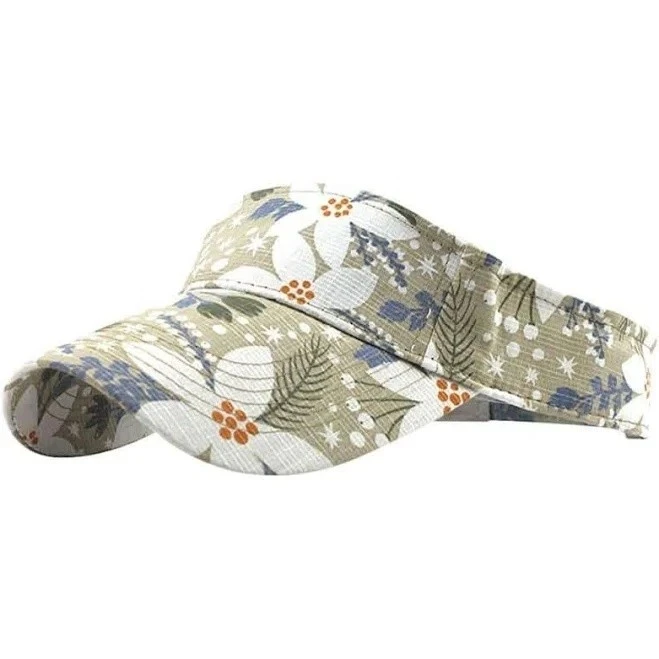
The Elasticized Closure Sun Visor is a middle ground, which is why it's such a workhorse for so many people. These visors have a flexible, non-slip elastic band that works for workouts, grocery runs, or brunch, and their brims are usually a mix of soft fabric and light plastic that holds shape without being rigid. Storage for these is a mix of sports and fashion rules, which makes sense for their dual purpose. For short-term use, like when you're running errands, you can stuff an elasticized visor in a purse, tote, or gym bag- just don't cram it with sharp items (like keys) that could snag the elastic or scratch the brim. Because the elastic is stretchy, you don't have to worry too much about it being crushed, but it's still a good idea to avoid leaving it bunched up for weeks. For long-term storage, the rules are similar to a fashion visor: lay it flat in a drawer, or hang it on a padded hook, and make sure it's in a cool, dry spot away from direct sunlight. One quick tip for elasticized visors: avoid storing them near other elastic items, like hair ties or swimsuits, because they can stick together or stretch out over time. If you notice the elastic starting to feel loose, that's a sign you need to replace it, not just store it wrong.
Beyond the type of visor, there are a few general storage rules that apply to all sun visors, no matter what style you have. First, always clean your visor before putting it away for long periods. Even if you can't see dirt, sweat, sunscreen, or lotion can build up on the fabric or band and cause stains, odors, or fabric damage over time. For most visors, a quick wipe with a damp cloth and a little mild soap is all you need- just make sure you let it dry completely before storing it, because moisture is the biggest enemy of any fabric or rigid material. Second, avoid direct sunlight when storing your visor for long periods. If you leave a visor in a sunny window for months, the fabric will fade, and rigid materials like plastic or straw will become brittle and crack. Last, never store your visor in a damp space, like a basement or a bathroom. Humidity can cause mildew, warp rigid brims, and make elastic bands stretch out prematurely.
I talk to customers every week who tell me they didn't know proper visor storage even mattered. One customer, a high school golf coach, told me he used to buy a dozen new sports visors every summer because they'd get ruined after a few months of shoving them into his team's backpacks after practice. Once he started following the storage tips we shared- air them out before putting them away, keep them in a dedicated mesh bag, and avoid crushing them under other gear- he went a whole season without having to replace a single visor. That's the kind of difference small storage habits make, and it's why I care so much about sharing this info.
If you're in the market for new visors for personal use or bulk supply, we have a range of options that are built to hold up to whatever storage and use you throw at them. Whether you need durable visors for a sports team, stylish visors for a boutique, or versatile elasticized visors for everyday use, we have options designed to last for years with proper care. To discuss your specific needs, whether you're a small business owner, an event planner, or just someone who wants great visors for your family, feel free to reach out.
References:
- American Hiking Society. (2022). Guide to Caring for Outdoor Gear: Fabric and Accessory Care. Outdoor Industry Association.
- Textile Care Institute. (2021). Storage Best Practices for Fabric and Rigid Accessories. Textile Research Journal.
- Sports and Fitness Industry Association. (2023). Gear Care Guidelines for Active Lifestyle Products. SFIA Annual Report.


