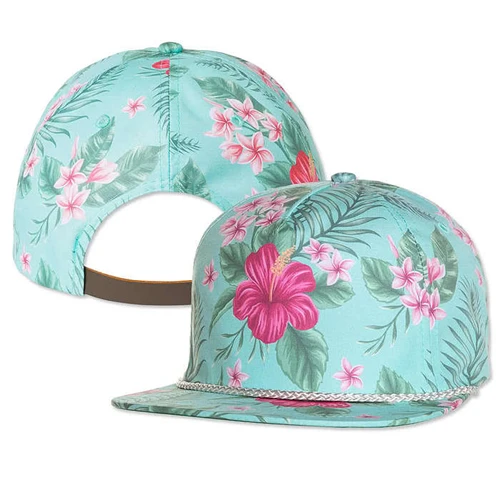
Introduction: Why Are Snapback Hats Remaining a Global Fashion Favorite?
Snapback Hats continue to maintain a strong position in the global headwear industry in 2026. Originally associated with baseball culture, sports teams, and urban streetwear, Snapback Hats have evolved into versatile fashion accessories for consumers, retailers, and international apparel brands.
Their recognizable flat brim, structured crown, and adjustable plastic closure make Snapback Hats suitable for different consumer groups. Today, manufacturers are focusing on material innovation, embroidery quality, sustainable production, and customized designs to meet changing market expectations.
According to the historical information published by Major League Baseball (MLB), baseball caps developed from practical sports headwear into recognizable cultural and fashion products. This historical transition has helped establish the foundation for modern snapback designs.

What Are the Main Features of Modern Snapback Hats?
The defining characteristics of Snapback Hats include a structured front panel, flat or slightly curved visor, and adjustable snap closure.
Unlike fitted caps, Snapback Hats allow users to modify the circumference through plastic fastening systems. This flexibility makes them attractive for promotional merchandise, sportswear collections, and private-label fashion businesses.
| Component | Common Materials | Manufacturing Considerations |
|---|---|---|
| Crown | Cotton, polyester, acrylic blends | Shape retention and breathability |
| Front panels | Structured cotton or polyester | Buckram support and dimensional stability |
| Visor | Fabric-covered plastic or composite board | Brim stiffness and curvature |
| Closure | Adjustable polypropylene plastic | Durability and fastening consistency |
| Sweatband | Cotton or polyester | Moisture absorption and comfort |
| Embroidery | Polyester or rayon thread | Stitch density and color consistency |
Manufacturers producing premium Snapback Hats should evaluate the compatibility of each component rather than selecting materials solely according to price.
Which Materials Are Best for Manufacturing Snapback Hats?
Material selection directly affects product performance, appearance, and retail positioning.
Cotton twill is popular because of its natural texture and comfortable wearing characteristics. Polyester is frequently selected for sports applications because of its lightweight properties and relatively easy maintenance. Blended fabrics can balance durability, appearance, and production costs.
For brands targeting premium customers, custom embroidered snapback hats provide additional opportunities for differentiation. High-quality embroidery requires suitable backing materials, controlled stitch density, and accurate logo positioning.
| Material | Advantages | Potential Limitations | Recommended Application |
|---|---|---|---|
| Cotton twill | Comfortable and breathable | May shrink without proper treatment | Lifestyle collections |
| Polyester | Lightweight and durable | Can retain heat | Sports and promotional caps |
| Acrylic | Good shape retention | May feel less breathable | Fashion headwear |
| Cotton-polyester blend | Balanced performance | Quality depends on blend ratio | Everyday collections |
Material testing is essential before mass production. ISO 105-X12 provides a recognized testing method for evaluating textile colorfastness to rubbing, including dry and wet rubbing conditions.
How Are Custom Snapback Hats Changing the Headwear Industry?
Customization has become an important manufacturing and branding strategy.
Businesses increasingly request custom snapback hats with logos, personalized color combinations, woven labels, embroidered graphics, and distinctive visor designs.
For manufacturers, customization involves more than adding a logo. It requires coordination between artwork preparation, embroidery digitization, fabric selection, sampling, and production inspection.
Popular customization options include:
3D puff embroidery for raised logo effects.
Flat embroidery for detailed graphics.
Woven labels for additional brand identification.
Contrasting undervisor fabrics.
Custom plastic snap closures.
Printed or embroidered side-panel designs.
Meanwhile, wholesale snapback hats are attractive to distributors and promotional merchandise companies because standardized production can support consistent product specifications across larger orders.
What Quality Standards Should Buyers Consider?
Quality assurance is essential when sourcing Snapback Hats from international manufacturers.
A professional inspection process should cover fabric appearance, stitching, panel symmetry, visor alignment, closure functionality, and embroidery consistency.
ASTM International publishes textile testing standards, including methods for fabric abrasion resistance, breaking strength, and fabric weight. These methods can help buyers establish measurable quality requirements.
| Quality Inspection | What Should Be Checked? | Recommended Approach |
|---|---|---|
| Fabric inspection | Defects, color variation, surface consistency | Incoming material inspection |
| Stitching | Loose threads and uneven seams | Visual and workmanship inspection |
| Embroidery | Logo alignment and thread tension | Sample comparison |
| Brim construction | Shape, stiffness, and symmetry | Dimensional inspection |
| Snap closure | Engagement and fastening performance | Repeated functional testing |
For companies developing bulk snapback hats, establishing an approved pre-production sample is particularly important. It provides a reference for material, dimensions, colors, and workmanship throughout manufacturing.

Are Sustainable Snapback Hats Becoming More Important?
Sustainability is increasingly relevant to international sourcing decisions.
Manufacturers can explore recycled polyester, responsibly sourced cotton, reduced packaging waste, and more efficient cutting processes.
However, sustainability claims should be supported by traceable material documentation and appropriate certification rather than marketing language alone.
For brands developing flat brim snapback hats, sustainable material selection should also consider color consistency, embroidery compatibility, structural performance, and long-term durability.
What Common Manufacturing Problems Should Buyers Avoid?
Several recurring issues can affect the quality of Snapback Hats:
Crown deformation: Insufficient front-panel reinforcement can cause poor shape retention. Solution: Specify suitable structural backing and inspect finished samples.
Embroidery distortion: Excessive stitch density or unsuitable backing can create fabric puckering. Solution: Optimize digitizing settings and test embroidery on the actual fabric.
Color inconsistency: Different dye lots may produce visible variations. Solution: Approve color standards and inspect production batches.
Loose snap closures: Inconsistent component quality can reduce fastening reliability. Solution: Conduct repeated closure-function inspections.
Incorrect sizing: Inconsistent panel dimensions can affect wearing comfort. Solution: Establish a detailed measurement specification before production.
Conclusion: What Is the Future of Snapback Hats?
Snapback Hats remain an adaptable product category connecting sports heritage, streetwear culture, promotional branding, and contemporary fashion.
For international buyers, successful sourcing depends on material selection, customization capabilities, manufacturing consistency, and documented quality control.
Brands working with experienced headwear manufacturers can develop differentiated collections while maintaining reliable production standards. As consumers continue to seek individuality and functional design, Snapback Hats are well positioned to remain an important category in the global headwear market.