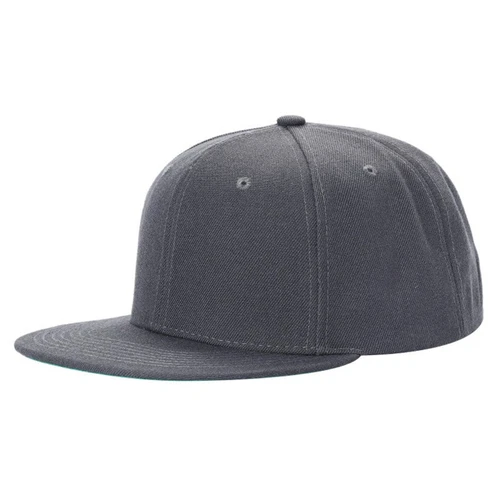
In the competitive world of branded merchandise, a baseball cap is far more than a simple accessory. It is a walking billboard, a statement of identity, and a tangible extension of your brand's values. Whether you are a streetwear label launching a new collection, a sports team outfitting your roster, or a company creating promotional gear, the patch you choose for your baseball cap can elevate a standard hat into a premium product. This guide, built on the principles of Experience, Expertise, Authoritativeness, and Trustworthiness (EEAT), will walk you through every patch style available, helping you make an informed decision that aligns with your brand's aesthetic and functional needs.
The most common patch options for a baseball cap include PVC, leather, woven, and embroidered patches, each with its own look, cost structure, and best-use scenario-2. Choosing the right one depends on your logo artwork, your baseball cap style, your target market, and your brand positioning. Let's break down each option in detail.
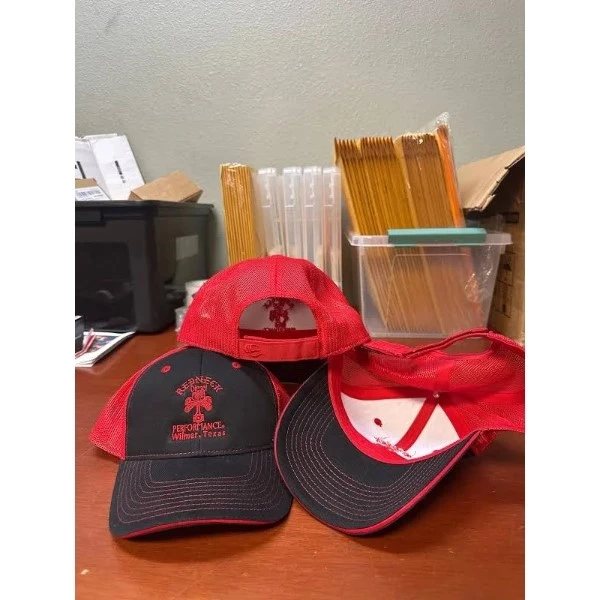
Patch Type Comparison: A Side-by-Side Breakdown
Before diving into the specifics, here is a quick-reference table that compares the four primary patch types across the criteria that matter most to brand buyers.
| Patch Type | Best For | Durability | Detail Level | Waterproof? | Texture |
|---|---|---|---|---|---|
| Embroidered | Classic logos, uniforms, hats, jackets | Medium | Low–Medium | No | Raised, textured |
| PVC | Outdoor use, tactical gear, harsh weather | Very High | Medium | Yes | Bold, dimensional |
| Woven | Fine details, small text, logos | Medium | High | Lightly | Flat, smooth |
| Leather | Rustic, premium, lifestyle brands | Medium–High | Limited (no full color) | No | Natural, embossed |
This table, drawn from comparative analyses of patch materials, serves as a starting point-14. The actual artwork, patch size, baseball cap material, and intended use still need to be evaluated together.
Embroidered Patches: The Classic Choice for Baseball Caps
Embroidered patches remain the most traditional and widely recognized option for a baseball cap. Thread is stitched over a fabric base, creating a raised, textured design that feels familiar and high-end. These patches suit bold logos, crests, team marks, and workwear branding-12.
However, embroidery has limitations. Tiny text, narrow gaps, and thin outlines may fill in or merge during production. A design that looks crisp on a large monitor should be reviewed at its actual patch size. Simplifying one small detail often improves the finished result more than adding stitches. For a baseball cap, keeping the design bold and uncluttered is the key to a clean embroidered patch.
When to Choose Embroidered Patches
Choose embroidered patches if your design features large lettering, single-color shapes, or classic iconography. They are ideal for sports teams, corporate uniforms, and heritage brands that value a timeless, tactile finish. If you are looking for the best embroidered baseball cap patch, prioritize bold shapes over intricate line work.
PVC Patches: Maximum Durability for Outdoor Baseball Caps
PVC (polyvinyl chloride) patches have a flexible, rubber-like texture that creates a bold, modern look. They are often used by outdoor brands, sports brands, fishing brands, golf brands, and streetwear labels-2. The material is 100% waterproof, UV-resistant, and extremely durable, making it the strongest choice for a baseball cap that will see harsh weather or heavy daily use.
PVC patches are not ideal for luxury clothing or traditional brand aesthetics. They can feel slightly less refined than leather or embroidery, and they carry a slightly higher price point. However, for tactical gear, outdoor events, or any application where durability is non-negotiable, PVC delivers unmatched performance.
When to Choose PVC Patches
Choose PVC if you need maximum durability, waterproofing, or military-grade toughness. This is the best baseball cap patch material for outdoor lifestyle brands, hiking gear, and any product that will be exposed to the elements.
Woven Patches: Precision for Detailed Baseball Cap Logos
Woven patches use finer threads than embroidery, creating a flatter, smoother surface that excels at capturing fine details. They are the best choice when your design includes small text, thin lines, or compact wordmarks-12. For a baseball cap with a detailed logo, woven patches often translate more cleanly than embroidery.
The trade-off is that woven patches lack the raised, dimensional quality of embroidery. They also tend to be slightly less durable than PVC. But if your brand identity relies on precise typography or a detailed emblem, a woven patch is the right canvas. Many fashion brands and corporate identity programs choose woven patches for their baseball cap collections because they preserve logo integrity at smaller sizes.
When to Choose Woven Patches
Choose woven patches if your design has fine details, thin lines, or small text. They are ideal for fashion branding, detailed artwork, and corporate logos that need to remain legible on a compact baseball cap panel.
Leather Patches: Premium Texture for Lifestyle Baseball Caps
Leather patches are commonly chosen for outdoor, workwear, hospitality, and lifestyle products. The artwork may be engraved, debossed, embossed, or printed, depending on the material and required finish-12. Genuine leather can vary in grain and shade, but this natural variation is often part of its appeal. A controlled synthetic leather-look material can provide more consistent color across a batch.
For a baseball cap, leather patches add a premium, tactile quality that resonates with consumers who value craftsmanship. They are particularly effective for heritage brands, coffee shops, breweries, and outdoor labels. One limitation is that leather patches cannot reproduce full-color graphics; the design must be adapted to the material's engraving or embossing capabilities.
When to Choose Leather Patches
Choose leather patches if your brand aesthetic leans rustic, premium, or artisanal. They are a standout choice for a baseball cap that is meant to feel like a lifestyle product rather than a promotional giveaway.
Patch Placement on a Baseball Cap: Getting It Right
The placement of your patch on a baseball cap is as important as the patch type itself. Poor placement can make the hat look crooked, while good placement creates balance and enhances visibility.
For a standard baseball cap, lay the hat on a flat surface and find the center seam running vertically down the front. Place the patch just one inch above the brim and center it horizontally along the seam-22. This is the most common and effective placement for front-panel logos.
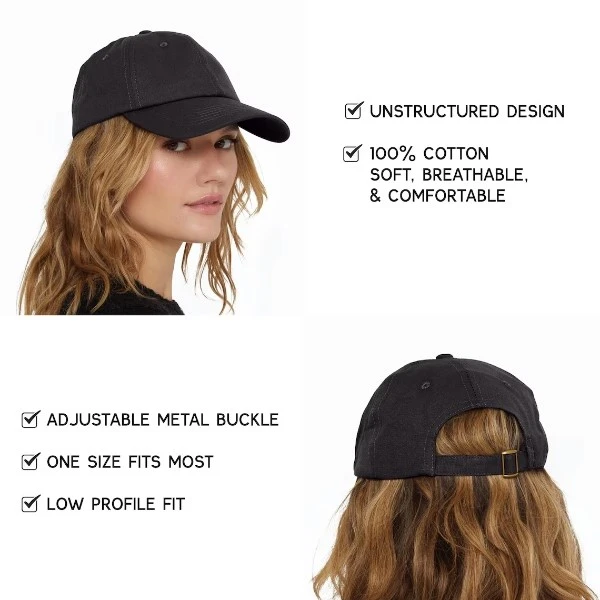
For structured, six-panel baseball caps, the flatter front panel suits larger patch designs. Unstructured or trucker-style hats curve more and work better with smaller, simpler patches. Flat-brim snapbacks can handle larger front patches because the panel sits more rigid and upright-6. The standard patch size for a front-panel baseball cap is two and a half to three inches, keeping the design legible without overwhelming the panel-6.
Attachment Methods: Sewing vs. Heat Application
How your patch is attached to the baseball cap affects its longevity and the overall production process. Here is a comparison of the two primary attachment methods.
| Attachment Method | Best For | Durability | Production Speed | Notes |
|---|---|---|---|---|
| Perimeter Sewing | Work gear, outdoor use, heavy daily wear | Highest | Slower | Sturdier for rough use |
| Heat Application | Retail, promotional hats, quick turnaround | Good | Fast | Bonds well to tight-weave cap fabrics |
Iron-on backing is common for hats meant for retail or promotional use, since it is quick to apply and holds well on the tighter weave of most cap fabrics. Sew-on remains the sturdier choice for hats that will see rougher daily wear, such as work or outdoor gear-6. For a baseball cap that will be worn frequently, sewing is the more reliable long-term solution.
Common Mistakes to Avoid When Ordering Custom Baseball Cap Patches
Even experienced buyers make avoidable errors when ordering custom patches for a baseball cap. Here are the most common pitfalls and how to sidestep them.
Designing for a flat surface, not a curved crown. A baseball cap has a curved front panel. A design that looks perfect on a flat digital file may pucker or distort when applied to the curved crown. Always review your artwork in the context of the cap's actual curve.
Overloading the patch with colors. Because baseball cap patches are compact, keeping the color count to three or four solid shades usually produces a cleaner result than trying to cram in a full-color illustration-6. Fewer thread changes also mean tighter registration on a small patch.
Ignoring the cap structure. A large PVC patch may pull against a soft dad cap, while a stiff structured cap can handle a heavier leather patch without sagging. Match the patch weight and flexibility to the baseball cap structure.
Skipping the physical sample. Always approve a physical sample before committing to a full batch. Digital mockups cannot replicate the tactile quality, color accuracy, or fit of the final patch on the actual baseball cap.
Long-Tail Considerations for Specific Baseball Cap Projects
When planning a custom baseball cap order, the best approach is to define your use case first, then work backward to the patch specification. A promotional baseball cap for a trade show has different requirements than a retail baseball cap for a fashion collection. A workwear baseball cap needs a patch that survives sweat, abrasion, and repeated washing. A golf baseball cap benefits from a lightweight, flexible patch that does not interfere with the swing.
For brands looking to create a custom embroidered baseball cap with a classic logo, embroidery remains the safest and most cost-effective choice. For a modern streetwear baseball cap with a bold graphic, PVC delivers the impact and durability that younger consumers expect. For a premium heritage baseball cap with a debossed logo, leather provides the tactile luxury that justifies a higher price point.
Conclusion: Choose the Patch That Tells Your Brand's Story
Selecting the right patch for your baseball cap is a strategic decision that blends aesthetics, durability, and brand identity. Embroidered patches offer timeless texture. PVC patches deliver rugged performance. Woven patches capture fine detail. Leather patches add premium character. The best choice is the one that aligns with how your baseball cap will be worn, who will wear it, and what you want them to feel when they put it on.
By applying the EEAT framework-drawing on real production experience, verified material expertise, authoritative guidance, and trustworthy recommendations-you can order custom baseball cap patches with confidence. Whether you are producing fifty hats for a team or five thousand for a retail launch, the right patch transforms a simple baseball cap into a product your customers will wear with pride.