Why Are Outdoor Hats Becoming Essential for Modern Outdoor Activities?
Outdoor Hats are gaining importance as consumers increasingly prioritize sun protection, comfort, and functionality in outdoor clothing. From hiking and fishing to camping, gardening, and travel, Outdoor Hats have developed from simple accessories into performance-oriented products.
According to the World Health Organization (WHO), clothing and wide-brimmed hats are important measures for reducing ultraviolet (UV) exposure. A wide brim can protect the face, ears, eyes, and back of the neck, making functional Outdoor Hats particularly valuable for prolonged outdoor activities.
In 2026, manufacturers are responding to demand for lightweight construction, breathable materials, adjustable sizing, and improved weather resistance. These developments are creating opportunities for outdoor brands, sporting goods retailers, and private-label manufacturers.
Which Types of Outdoor Hats Are Most Popular in the Market?
Different activities require different headwear structures. Product selection should consider environmental conditions, coverage requirements, ventilation, and wearing comfort.
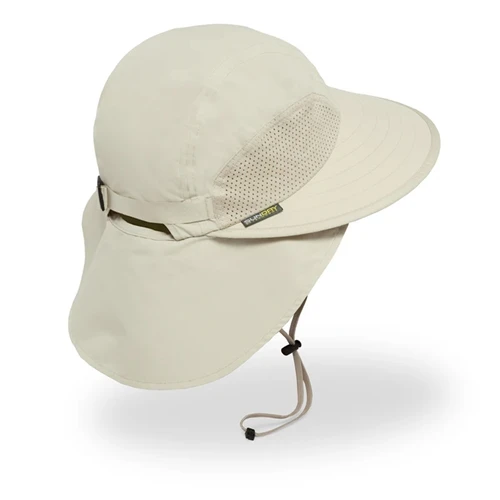
Wide brim outdoor hats are suitable for gardening, hiking, beach activities, and travel because their extended brims provide broader shade than conventional baseball caps.
Fishing outdoor hats often feature neck flaps, adjustable chin cords, and moisture-resistant materials. These features improve practicality in exposed environments.
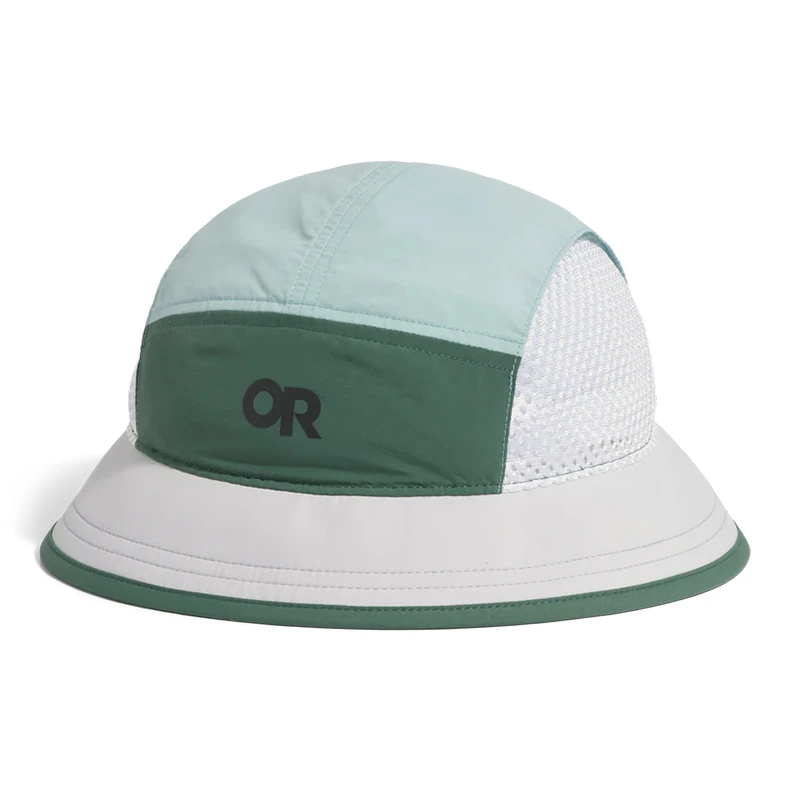
Lightweight outdoor hats are designed for activities requiring extended movement. Polyester, nylon, and technical fabric blends are commonly selected for their low weight and quick-drying properties.
| Hat Type | Main Features | Recommended Applications |
|---|---|---|
| Wide-brim hat | Extended brim and broad coverage | Hiking, gardening, travel |
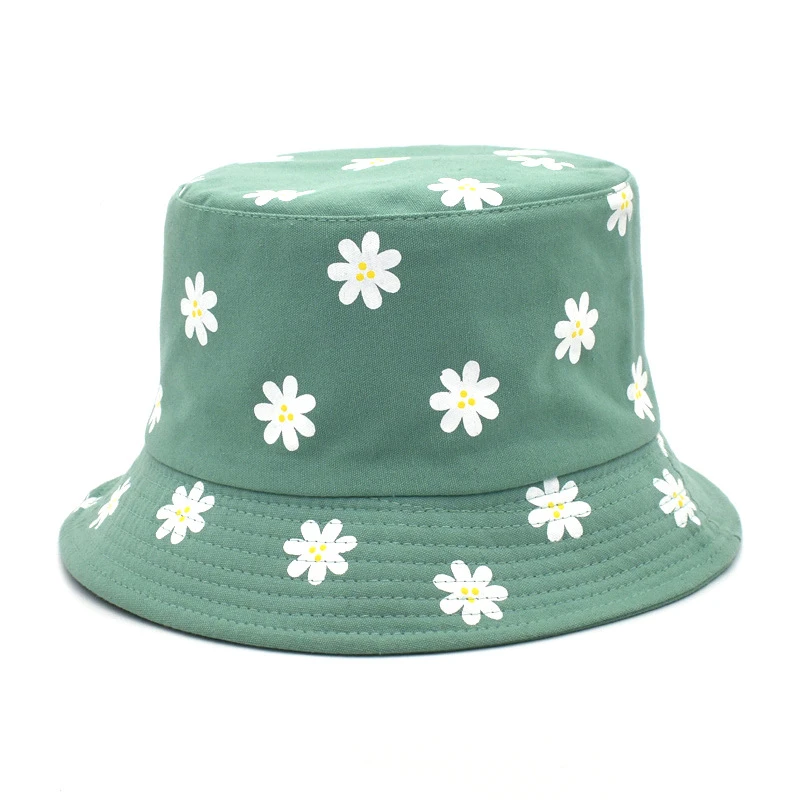
| Bucket hat | Flexible brim and compact construction | Camping, casual outdoor use |
| Fishing hat | Neck flap and adjustable chin cord | Fishing, boating |
| Safari hat | Structured crown and extended brim | Trekking, exploration |
| Performance cap | Lightweight fabric and ventilation | Running, cycling |
The development of multifunctional Outdoor Hats is also encouraging manufacturers to combine traditional designs with modern performance features.
How Important Is UV Protection When Choosing Outdoor Hats?
UV protection is one of the most important considerations when evaluating Outdoor Hats.
The American Cancer Society recommends choosing a hat with a brim of at least 3 inches all around for effective coverage of commonly exposed areas, including the ears, forehead, nose, scalp, and neck.
The WHO also explains that tightly woven fabrics generally allow less UV radiation to pass through than loosely constructed fabrics. Fabric composition, thickness, color, moisture, and construction can all influence protection performance.
UPF (Ultraviolet Protection Factor) is a measurement used to evaluate how much ultraviolet radiation passes through fabric.
| UPF Rating | UV Radiation Blocked | UV Radiation Transmitted |
|---|---|---|
| UPF 15 | 93.3% | 6.7% |
| UPF 30 | 96.7% | 3.3% |
| UPF 50 | 98% | 2% |
| UPF 50+ | At least 98% | Less than 2% |
For brands developing UV protection outdoor hats, manufacturers should consider laboratory testing rather than relying exclusively on fabric descriptions or supplier claims.
Importantly, UPF measures fabric performance, not the total protection provided by an entire hat. Brim dimensions, neck coverage, ventilation openings, and product fit also influence real-world coverage.
What Materials Are Best for Manufacturing Outdoor Hats?
Material selection directly influences product durability, breathability, drying speed, and comfort.
Polyester is widely used in performance headwear because it is lightweight and relatively quick-drying. Nylon offers useful abrasion resistance and is suitable for products exposed to demanding outdoor conditions. Cotton provides a natural feel and comfortable texture, although it generally retains more moisture than many synthetic alternatives.
For waterproof outdoor hats, manufacturers may use coated fabrics, laminated materials, or water-repellent finishes. However, water resistance and waterproof performance are different properties and should not be treated as interchangeable.
| Material | Key Advantages | Manufacturing Considerations |
|---|---|---|
| Polyester | Lightweight, quick-drying | Check UV performance and colorfastness |
| Nylon | Durable, abrasion-resistant | Evaluate coating and tear resistance |
| Cotton | Soft and comfortable | Consider moisture retention and shrinkage |
| Recycled polyester | Supports recycled-material sourcing | Verify recycled-content documentation |
| Polyester-cotton blend | Balanced texture and performance | Confirm blend ratio and fabric consistency |
How Are Outdoor Hat Manufacturers Improving Product Quality?
Professional Outdoor Hats production requires consistent quality control throughout material sourcing, cutting, sewing, and finishing.
Manufacturers should establish measurable specifications for crown height, brim width, circumference, seam strength, color consistency, and accessory performance.
For customized collections, embroidery placement and ventilation construction also require attention. Poorly positioned eyelets, excessive embroidery density, or unsuitable backing materials can affect product appearance and functionality.
Relevant industry testing methods include AATCC TM183 for measuring ultraviolet radiation transmission through fabrics and ASTM D6544 for preparing textiles before UV transmission testing. ASTM D6603 provides guidance for labeling UV-protective textiles.
These standards provide a more reliable basis for developing performance claims for Outdoor Hats.
Are Sustainable and Customized Outdoor Hats Becoming More Important?
Sustainability and customization are increasingly relevant to international headwear sourcing.
Brands are exploring recycled polyester, responsibly sourced cotton, reduced packaging, and manufacturing processes that minimize material waste.
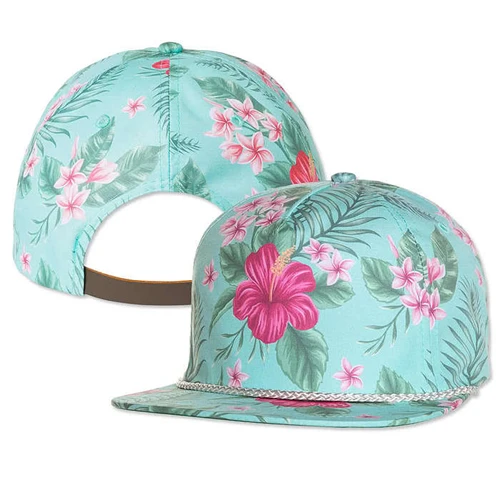
At the same time, customized Outdoor Hats allow companies to differentiate their products through embroidered logos, woven labels, branded closures, and specialized fabric colors.
For wholesale buyers, product consistency, sampling accuracy, production capacity, and documented quality inspections remain essential when selecting a manufacturing partner.

What Common Problems Should Buyers Consider Before Ordering?
Several production issues can affect Outdoor Hats:
Insufficient sun coverage: Narrow brims or excessive ventilation openings may reduce coverage. Solution: Specify brim dimensions and evaluate the complete product design.
Poor breathability: Unsuitable fabric density can increase heat retention. Solution: Balance fabric construction with ventilation requirements.
Waterproofing failures: Inconsistent coating or seam construction may allow water penetration. Solution: Define water-resistance requirements and conduct appropriate testing.
Incorrect sizing: Inconsistent measurements can cause fitting problems. Solution: Approve a detailed measurement chart and pre-production sample.
Color inconsistency: Different fabric batches may produce visible variations. Solution: Establish approved color standards and inspect bulk production.
Weak stitching: Inadequate seam construction can reduce product durability. Solution: Specify workmanship requirements and perform seam inspections.
What Is the Future Outlook for Outdoor Hats?
Outdoor Hats are evolving into functional products that combine protection, comfort, durability, and contemporary styling.
Manufacturers that invest in material testing, reliable construction, sustainable sourcing, and flexible customization will be better positioned to serve international outdoor brands and wholesale distributors.
As outdoor lifestyles continue to influence apparel design, Outdoor Hats are expected to remain an important category within functional headwear. For buyers, the strongest sourcing decisions will come from evaluating measurable product performance rather than appearance or price alone.