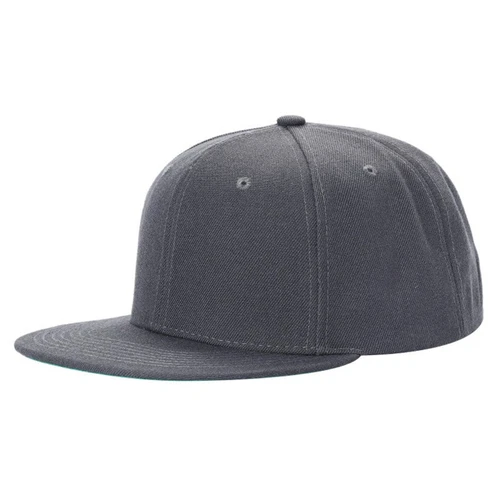
The high degree of unity between form and function in military caps is inseparable from their rigorous and meticulous manufacturing process. It's not merely a combination of cutting and sewing; it integrates multiple processes such as pattern shaping, structural reinforcement, and detail finishing, ensuring the cap maintains a crisp appearance while meeting the practical needs of various environments. Understanding this process allows us to truly appreciate the skill and standards embodied behind military caps.
The first step in manufacturing is pattern design and paper pattern making. The pattern of military caps must strictly adhere to standard specifications, ensuring consistency in size and outline across different batches and production lines. Designers create corresponding two-dimensional paper patterns based on cap types, such as peaked caps, berets, or boat-shaped caps. These patterns are then repeatedly tested and adjusted on mannequins or samples to ensure the cap circumference, depth, and brim curvature are both ergonomically sound and convey a uniform, dignified appearance. For caps requiring a fixed shape, the installation positions of supporting structures are also pre-defined in the paper patterns.
Material selection and pretreatment are fundamental aspects of the manufacturing process. Commonly used fabrics for military caps include wool, cotton canvas, polyester-cotton blends, and waterproof coated fabrics. Different materials require pre-shrinking, pre-ironing, or waterproofing treatments to prevent deformation or performance degradation during subsequent use. Some cap styles have an inner lining of shaping mesh or stiffening to maintain the three-dimensional shape of the cap in specific areas. This process requires matching and bonding the fabric's properties before cutting.
Cutting demands precision and efficiency. The fabric is cut into components such as the cap crown, brim, and side panels according to patterns. For striped or checkered fabrics, ensuring natural pattern transitions is crucial, especially for military top caps. After cutting, the components are transferred to the sewing workshop, where industrial flatbed sewing machines and overlock sewing machines are commonly used to join them along predetermined lines. Key areas such as the brim seams and the top of the crown are reinforced with double stitching to enhance durability.
The shaping process gives the military cap a stable appearance. For stiff-brimmed caps like peaked caps, metal or plastic shaping wires are often embedded inside the brim, and steam ironing and molding are used to keep the brim straight and prevent it from collapsing. Berets, on the other hand, require hot water shaping and manual pressing to allow the fabric to naturally conform to the head's curves and present a full, rounded silhouette. This process requires controlled temperature and humidity to avoid damaging the fabric or leaving noticeable creases.
Subsequent detailing includes positioning and sewing the cap badge, installing the decorative straps, securing the sweatband, and sewing the lining. The cap badge position must be precisely marked according to military regulations to ensure left-right symmetry and visual centering. Sweatbands are mostly made of absorbent and breathable cotton or blended fabrics and are sewn securely using concealed stitches to improve wearing comfort. Finally, the entire cap undergoes quality inspection, including shape, size, stitching strength, and accessory integrity. Only qualified products can proceed to packaging and distribution.
The manufacturing process of military caps is a chain that integrates standards, experience, and craftsmanship. From pattern to finished product, every step pursues consistency of form, reliability of function, and symbolic representation of the spirit. It is this dedication to detail that allows the military cap to stand tall through wind and rain, becoming a visible embodiment of discipline and glory.